Counted, Conscripted, and Consumed: What Civil War Supply Ledgers Reveal About Luray's Wartime Survival
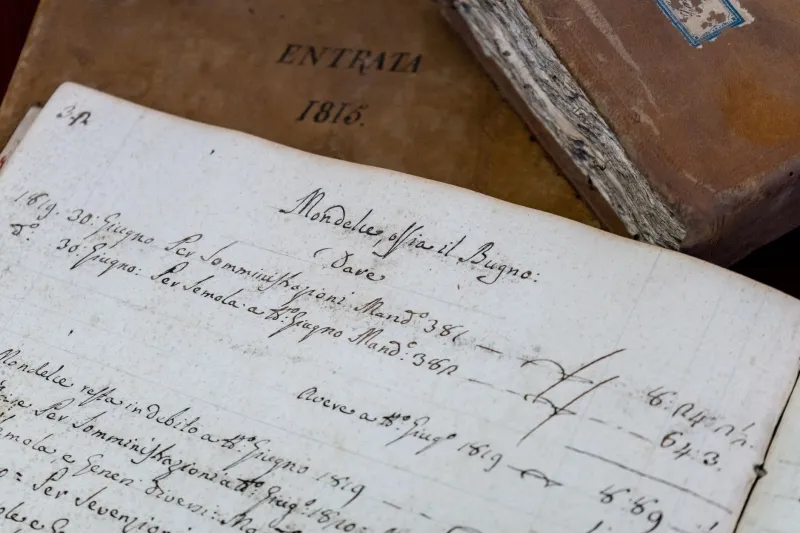
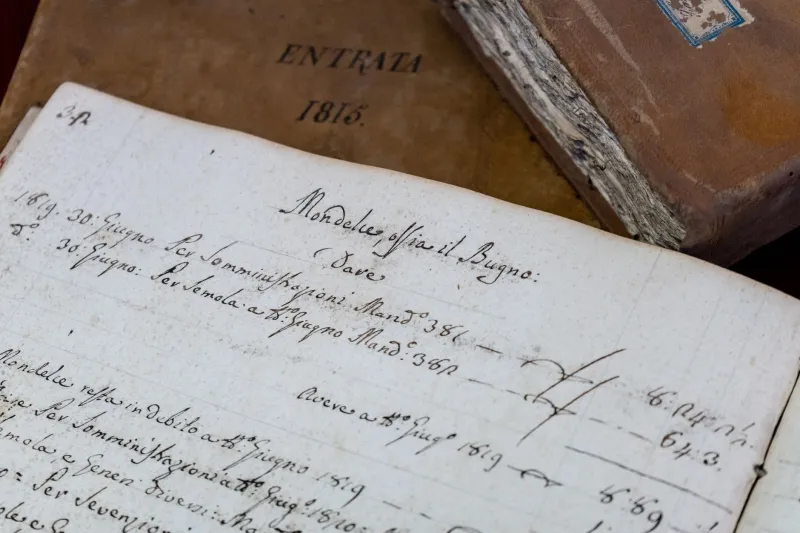
Most people think of the Civil War in terms of battles—maps with arrows, generals on horses, cannons at dawn. But in Luray, Virginia, some of the most revealing documents from that era aren't military dispatches or regimental rosters. They're receipts. Supply manifests. Impressment ledgers. The kind of paperwork that gets shuffled into archive boxes and forgotten for a century and a half.
That's starting to change. Local historians and researchers affiliated with organizations like Living Legacy Luray have been quietly working through Page County's documentary record, and what they're finding rewrites a few comfortable assumptions about wartime life in the Shenandoah Valley.
The Valley Was a Larder—Whether It Wanted to Be or Not
Long before the first shot was fired at Fort Sumter, the Shenandoah Valley had a reputation. Union and Confederate commanders alike understood that this stretch of fertile farmland was one of the most productive agricultural corridors in the entire South. Wheat, corn, cattle, hogs, hay—the Valley produced it in abundance, and both armies wanted it.
Luray sat squarely in the middle of that calculation. Page County farms had been feeding regional markets for generations, and when war came, those same farms became strategic targets. Confederate impressment officers arrived with orders to requisition supplies for the Army of Northern Virginia. Union foraging parties came through with their own priorities. And the farmers caught between them had to figure out how to survive the transaction.
The supply ledgers tell that story with uncomfortable precision. Line by line, they record what was taken, what was paid (when anything was paid at all), and from whom. What emerges is less a portrait of patriotic sacrifice than one of economic coercion—and extraordinary improvisation.
Who Was Actually Doing the Work
Here's where the records get uncomfortable in ways that conventional Civil War history tends to skip over: a significant portion of the labor that produced, processed, and transported those supplies was performed by enslaved people.
The ledgers don't always name them. Sometimes they appear as line items—"labor" or "negro hire"—attached to a white landowner's account. But in some documents, names do appear. And those names anchor something important. They remind us that the Valley's wartime agricultural output wasn't just the product of free white farmers toughing it out. It was built on the coerced labor of people who had no say in which army their work would feed.
Researchers cross-referencing supply records with county property assessments and later Freedmen's Bureau documents have been able to trace some of these individuals forward through emancipation and into the postwar period. It's painstaking work, and the picture is still incomplete. But it's a picture that the ledgers make possible in ways that battlefield accounts simply don't.
The Merchant in the Middle
Luray's commercial establishments occupy their own complicated chapter in the supply record. Local merchants served as intermediaries—purchasing, storing, and reselling goods to military agents, sometimes voluntarily, sometimes under obvious duress. Their account books, where they survive, show a wartime economy lurching between inflation, scarcity, and outright confiscation.
One particularly detailed set of records from a Page County dry goods operation tracks the same basic commodities—salt, flour, cornmeal—across the arc of the war. Prices spike. Stock levels collapse. Notations in the margins shift from routine commercial shorthand to something that reads more like a stress diary. By 1864, some entries simply read "none available" or "taken."
Salt is its own story. In a pre-refrigeration world, salt was essential for preserving meat, and it became one of the most fought-over commodities in the entire Confederacy. Luray's merchants who managed to maintain any salt supply at all were wielding real economic power—and the records show exactly how they used it, and who they prioritized when supplies ran low.
Conscription's Paper Trail
The supply ledgers don't exist in isolation. Read alongside conscription records and county court documents, they reveal something about the human cost of the war that gets lost in aggregate statistics.
When men were pulled from farms for military service—whether as Confederate soldiers, Union laborers, or enslaved workers impressed for fortification duty—the agricultural output of those farms didn't disappear from the supply record. It just got produced differently. Women took on more of the fieldwork. Older men and boys filled gaps. Neighbors consolidated labor in informal arrangements that occasionally show up in account books as shared expenses or mutual debts.
What the records make plain is that the Valley's wartime food production was a collective achievement accomplished under conditions of extreme stress—and that the people most responsible for sustaining it were often the least recognized for doing so.
What the Numbers Don't Capture
For all their detail, the ledgers have limits. They record transactions, not experiences. They can tell you that a farmer in Page County delivered forty bushels of wheat to a Confederate impressment officer in the fall of 1862, but they can't tell you how that farmer felt watching it go—whether with reluctant loyalty, seething resentment, or simple pragmatic resignation.
Oral history traditions in Luray fill in some of those gaps. Families whose ancestors farmed this land during the war have passed down stories that complicate the ledger entries considerably. Tales of grain hidden in false-bottomed wagons. Livestock driven into the hills before foraging parties arrived. Quiet acts of economic resistance that never made it into any official record.
Those stories matter. They're part of the living legacy that this community carries, and they belong in conversation with the documentary evidence rather than separate from it.
Reading History From the Ground Up
What makes Luray's Civil War supply records genuinely valuable—and genuinely worth the effort of digging through—is that they offer something rare in historical research: a view of major events from the bottom of the economic ladder rather than the top.
Grand narratives of the Civil War tend to focus on generals and politicians, on strategy and ideology. The supply ledgers redirect attention to farmers, merchants, enslaved workers, and local officials navigating impossible demands with limited options. That's not a less important story. In a lot of ways, it's a more honest one.
For visitors to Luray interested in Civil War history, the Page County Courthouse archives and the collections at local historical societies offer a starting point for exploring these records firsthand. They're not always easy reading—the handwriting alone can be a challenge—but they reward patience. Every page is a reminder that the history of this place was made not just by the famous, but by the counted, the conscripted, and the consumed.