Paper Trails and Vanishing Acres: What Luray's Old Tax Books Say About Who Got to Stay
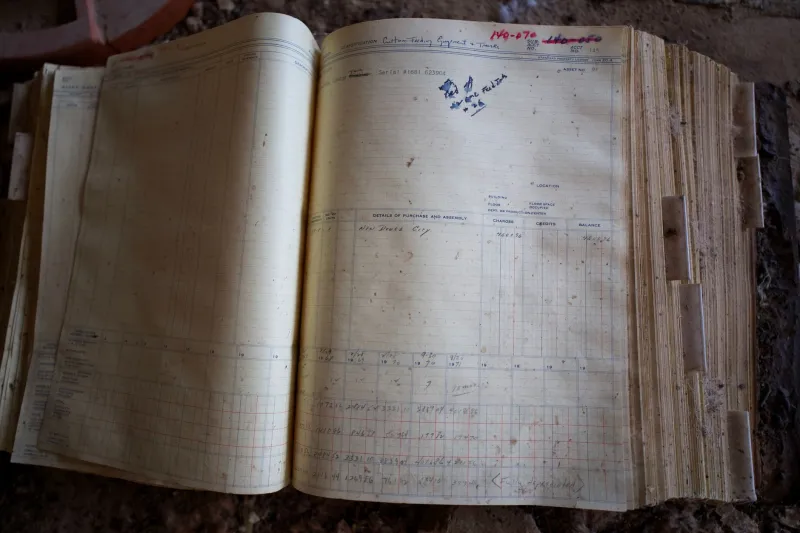
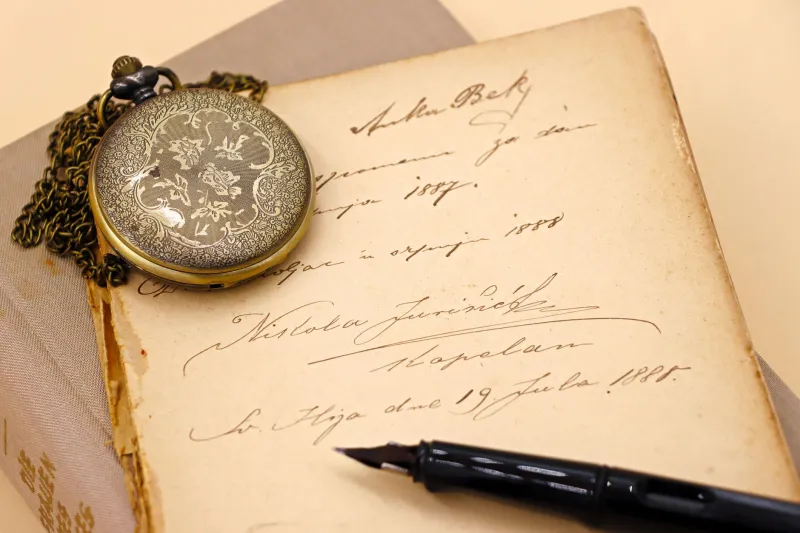
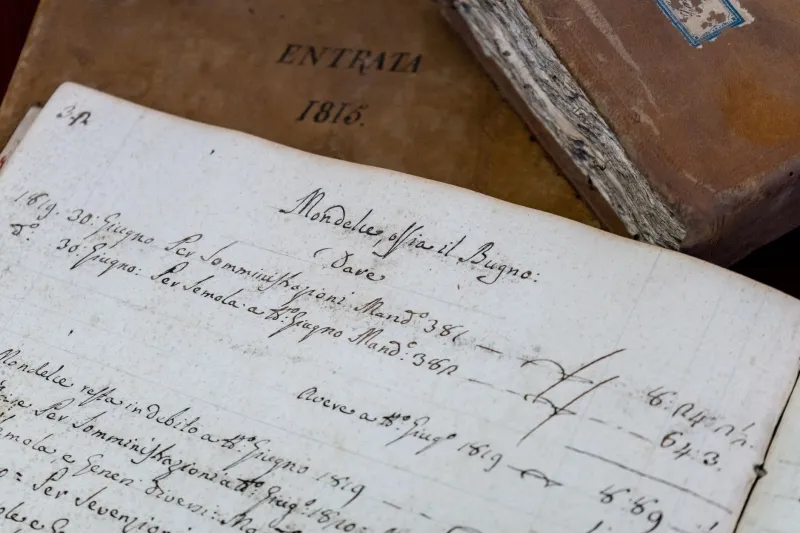
There's a particular kind of silence that lives inside an old tax ledger. No drama, no narrative voice — just names, acreage, and dollar amounts lined up in fading ink. But spend enough time with Page County's earliest property records, and that silence starts to crack open. What spills out isn't neutral accounting. It's a map of who thrived, who struggled, and who quietly disappeared from the landscape altogether.
For researchers and local historians digging into Luray's past, these documents have become something unexpected: a window into displacement that no official chronicle ever bothered to write down.
The Archive Nobody Was Reading
For years, property tax records from the 18th and 19th centuries sat largely undisturbed in county archives and microfilm collections, treated as administrative relics rather than historical sources. They weren't dramatic. They didn't tell stories in any obvious way. But historians working at the intersection of genealogy and economic history have started paying much closer attention — and what they're finding is reshaping how we understand who actually lived in the Shenandoah Valley and what happened to them.
Luray sits at the heart of Page County, and the records tied to this stretch of the Valley are particularly rich. Early land grants, annual property assessments, delinquent tax rolls, and sheriff's sale notices form a layered paper trail that stretches back to the late 1700s. Read together, they don't just show who owned land — they show who lost it, and under what circumstances.
Debt, Taxes, and the Slow Erosion of Ownership
The mechanics of land loss in 19th-century rural Virginia were rarely dramatic. There was no single moment of dispossession, no single villain. Instead, the process looked more like erosion — gradual, almost invisible, and relentless.
A bad harvest meant a family couldn't pay its property taxes. Miss two or three cycles, and the county placed the land on the delinquent roll. If the debt went unresolved, a sheriff's sale could transfer the property to whoever showed up with cash — often a wealthier neighbor, a speculator from outside the county, or a creditor who had been circling for years. The original family might stay on as tenants for a while, or they might simply vanish from the records entirely.
This pattern shows up repeatedly in Page County's documentation. Families with Germanic surnames — many descended from the valley's earliest European settlers — appear on tax rolls for a generation or two, then disappear. Their acreage doesn't vanish; it consolidates, absorbed into larger holdings belonging to men whose names recur across multiple parcels. The small farmer becomes invisible. The accumulator becomes a fixture.
What the Numbers Reveal About Race and Land
The story gets sharper — and harder — when you trace the land records of Black families in and around Luray during the post-Civil War decades. The period immediately following emancipation saw a genuine, if fragile, wave of Black land ownership in the Shenandoah region. Freedmen and freedwomen scraped together savings, negotiated purchases, and established footholds on small parcels that represented enormous personal sacrifice.
The tax records from the 1870s through the early 1900s document that effort. They also document how systematically it was undermined.
Black-owned parcels in Page County were assessed at rates that didn't always reflect their actual market value — sometimes inflated, sometimes subject to sudden reassessment after ownership changed hands. Access to credit was functionally nonexistent for most Black families, meaning that when hard times hit, there was no safety net. A single difficult year could trigger a cascade: unpaid taxes, delinquency notices, sheriff's sales. Land that a family had worked and paid for would transfer to a white buyer at a fraction of its worth.
By the early 20th century, the concentration of land ownership in the valley had shifted dramatically. The patchwork of small Black-owned farms that briefly dotted the landscape around Luray had largely vanished — not through violence or a single act of seizure, but through the slow, grinding machinery of debt and taxation.
Reading Between the Lines
One of the most striking things about this research is how much the records don't say. A land transfer notice records a transaction. It doesn't record the conversation that preceded it, the pressure applied, or the desperation on one side of the deal. A delinquent tax roll lists a name. It doesn't explain whether the family simply moved on voluntarily or was maneuvered out.
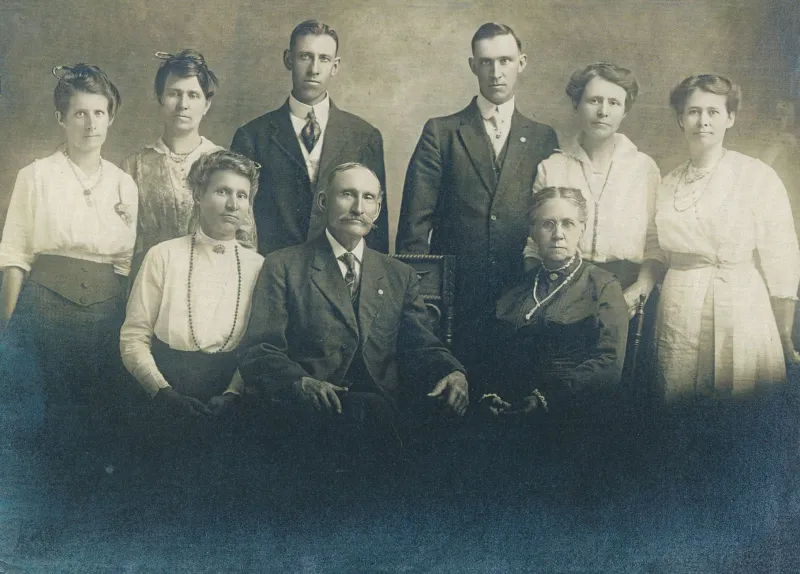
That's why historians working with these documents have learned to triangulate — cross-referencing tax records with church membership rolls, freedmen's bureau documentation, oral histories, and census data. When you find a family on the tax roll in 1878 and gone by 1885, and you can also find them in a church register in a different county by 1886, you start to build a picture. Not a complete one. But enough to know that their departure wasn't random.
Local genealogists affiliated with community organizations in Luray have been doing exactly this kind of detective work, and their findings are slowly making their way into public programs and interpretive materials. The goal isn't to assign blame to specific individuals — most of the people who benefited from these transactions are long gone. The goal is to name what happened, to give the displaced families back the visibility the records quietly stripped from them.
Why This Matters for Heritage Travel
If you come to Luray to walk its historic streets, tour its caverns, or drive the Skyline Drive, you're moving through a landscape shaped by these invisible transactions. The farms you admire, the family names on historic markers, the very layout of who owns what in Page County today — all of it has roots in decisions made on paper, in courthouses and assessor's offices, over more than two centuries.
Heritage tourism at its best doesn't just celebrate what survived. It asks honest questions about what didn't, and why. Luray's tax records are an invitation to ask those questions — to sit with the discomfort of what the ledgers reveal and to honor the families whose stories got buried in the columns.
Some of those families have descendants still living in the valley. Others scattered to cities up and down the East Coast, carrying memories of land they once owned but couldn't hold onto. The records are one way to find them — or at least to find where they once stood.
The Ledger as a Living Document
There's something almost radical about treating a tax record as a form of testimony. It wasn't designed to tell anyone's story. It was designed to collect revenue. But history has a way of repurposing its own artifacts, and these particular documents have outlived their original function to become something more complicated and more important.
For anyone curious about the real economic history of Luray and the Shenandoah Valley, the archives are open. The Page County courthouse holds records going back to the county's founding in 1831, and the Virginia State Library in Richmond has additional colonial and early statehood documentation. It's slow work, and it requires patience with 19th-century handwriting. But the story is there — written in columns, tallied in losses, and waiting for someone to read it carefully enough to hear what it's actually saying.